English
- English
- Español
- Português
- русский
- Français
- 日本語
- Deutsch
- tiếng Việt
- Italiano
- Nederlands
- ภาษาไทย
- Polski
- 한국어
- Svenska
- magyar
- Malay
- বাংলা ভাষার
- Dansk
- Suomi
- हिन्दी
- Pilipino
- Türkçe
- Gaeilge
- العربية
- Indonesia
- Norsk
- تمل
- český
- ελληνικά
- український
- Javanese
- فارسی
- தமிழ்
- తెలుగు
- नेपाली
- Burmese
- български
- ລາວ
- Latine
- Қазақша
- Euskal
- Azərbaycan
- Slovenský jazyk
- Македонски
- Lietuvos
- Eesti Keel
- Română
- Slovenski
- मराठी
- Srpski језик

How Can Paper Square Sleeve Improve Modern Packaging Protection?
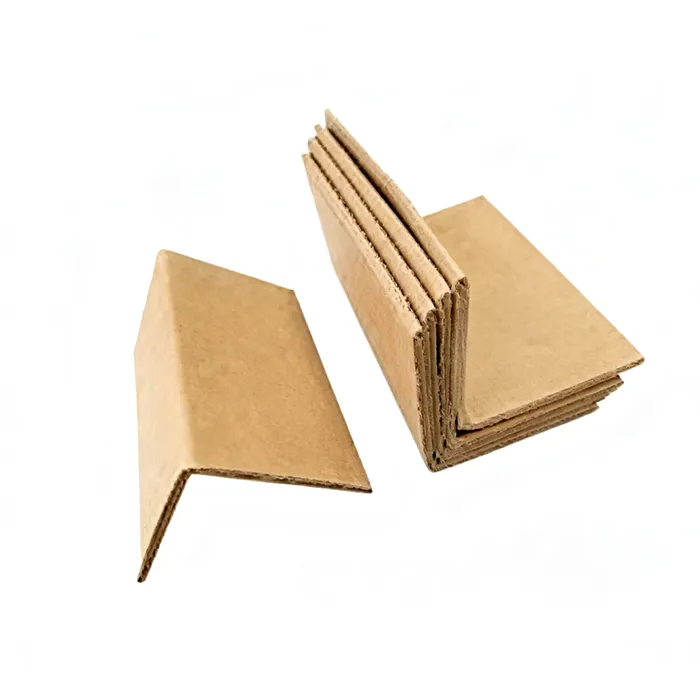
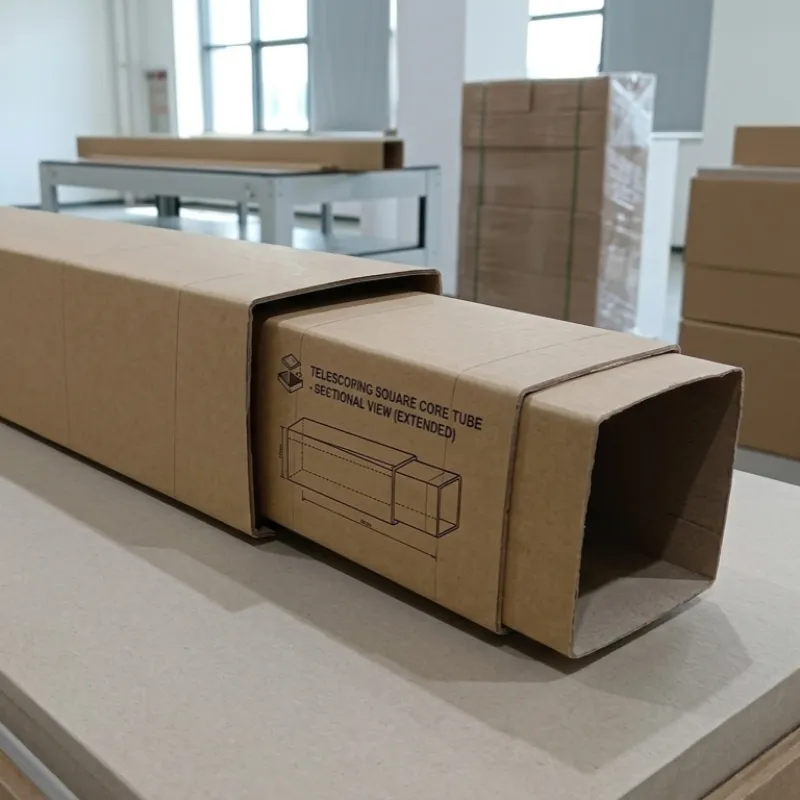
Packaging design is changing as manufacturers and logistics providers place greater emphasis on product protection, material efficiency, and practical handling. A well-designed packaging structure does more than hold a product. It can help maintain shape, separate packaged items, reinforce vulnerable areas, and improve stability throughout storage and transportation. Among paper-based packaging components, Paper square sleeve solutions are attracting attention for their simple structure, adaptable design, and compatibility with a wide range of packaging applications.
The development of paper packaging is closely connected with the changing requirements of modern supply chains. Products may pass through production facilities, warehouses, distribution centers, loading areas, and different transportation environments before reaching their final destination. During these stages, packaging can be exposed to compression, friction, vibration, stacking pressure, and changes in humidity. A suitable protective structure can therefore contribute to more stable packaging performance.
Qingdao Yilida Packaging Co., Ltd. has been engaged in the packaging industry for many years and has developed from a specialized paper corner protection workshop into a packaging manufacturer with multiple production facilities and a broader product range. Its experience in paper-based packaging provides a practical foundation for developing protective and customized packaging solutions for different applications.
Why Structural Packaging Matters in Modern Logistics
Packaging structures have a direct influence on how goods behave during transportation and storage. When products are placed inside cartons or grouped together on pallets, external pressure is not always distributed evenly. Certain edges, corners, and contact areas may receive greater force than other parts of the package. Without sufficient structural support, this uneven pressure can result in deformation or damage.
Paper-based structural components can help address these challenges by adding reinforcement where it is needed. Rather than increasing the amount of packaging material throughout the entire package, manufacturers can use targeted components to strengthen specific areas. This approach can support more efficient packaging design while maintaining practical protection.
Supporting Package Stability
Stability is particularly important when packages are stacked. A carton with weak or unevenly supported areas may gradually lose its shape when exposed to continuous pressure. Once the structure becomes deformed, the products inside may also become more vulnerable to impact or compression.
A properly designed paper sleeve can provide additional structural support around packaged goods. Its shape can help maintain the position of products and create a more consistent load-bearing structure. This is useful for packaging systems where maintaining the original form of the package is important during storage and distribution.
Reducing Localized Pressure
External forces often concentrate around corners and edges. This is especially relevant when cartons are stacked or secured together for transportation. Reinforcement around these areas can distribute pressure more effectively and reduce the likelihood of localized deformation.
Paper structural components can therefore work as part of a wider packaging system rather than functioning as an independent packaging solution. They can be combined with corrugated cartons, pallets, protective sheets, dividers, and other paper-based materials according to the requirements of the packaged goods.
How Paper Structures Fit Different Packaging Systems
One of the advantages of paper-based packaging components is their ability to integrate into existing packaging processes. A packaging structure does not necessarily need to replace the entire carton or shipping system. In many applications, an additional reinforcing component can be incorporated into the current design to improve overall performance.
This flexibility is valuable for manufacturers handling different product types. Packaging dimensions, product weight, stacking conditions, and transportation methods can vary considerably between industries. A component that works well for one application may require different dimensions or material characteristics for another.
Integration With Corrugated Packaging
Corrugated cartons are widely used because they are lightweight, practical, and relatively easy to process. However, the strength of a carton depends on more than the corrugated board itself. Its structural performance is also affected by the shape of the package, the distribution of the contents, stacking conditions, and the way external pressure is applied.
Additional paper reinforcement can complement the carton structure. By strengthening vulnerable areas, it can help the package retain its shape during handling. This can be especially useful for shipping cartons that need to withstand repeated movement or stacking.
Compatibility With Palletized Goods
Palletized packaging requires careful attention to load distribution. Products arranged on a pallet need to remain stable during movement, loading, unloading, and storage. If the cartons are not adequately supported, pressure can accumulate unevenly across the load.
Paper structural components can be incorporated into pallet packaging to improve edge support and maintain the alignment of individual cartons. When combined with appropriate pallet sheets, wrapping materials, and strapping systems, they can contribute to a more stable unit load.
Material Selection and Performance Considerations
Material selection is an important part of packaging design. Different applications require different combinations of stiffness, compression resistance, surface quality, moisture tolerance, and processing characteristics. Choosing a material simply because it is suitable for one packaging environment does not necessarily mean it will perform equally well in another.
For paper packaging components, the characteristics of the paper layers, adhesive system, forming process, and finished structure can all influence the final result. Manufacturers therefore need to consider the complete production process rather than evaluating the finished component based on appearance alone.
Paper Quality and Structural Strength
The paper used in a structural packaging component should provide sufficient strength for the intended application. Layer consistency is also important because uneven material properties can affect the finished shape and load-bearing performance.
When multiple paper layers are combined, the bonding quality between the layers becomes an important factor. Proper adhesion helps the finished structure maintain its integrity under compression and handling. Production control should therefore cover both the incoming paper materials and the forming process.
Moisture and Storage Conditions
Paper is sensitive to environmental moisture, which means packaging performance can change depending on storage and transportation conditions. Applications involving humid warehouses, coastal transportation, refrigerated logistics, or seasonal weather may require additional consideration.
The packaging design should take the intended environment into account before material specifications are finalized. In some cases, the surrounding packaging system can provide additional protection from moisture. In other cases, the paper material or surface treatment may need to be selected according to the application.
Design Factors That Influence Packaging Performance
Packaging components should be designed according to the actual requirements of the goods rather than treated as standard accessories. The dimensions and shape of the packaged product can influence how a protective structure performs. The relationship between the packaging component and the carton also affects the overall stability of the system.
A practical design process begins with understanding the product, the packaging configuration, and the transportation environment. This helps manufacturers determine the appropriate dimensions, material construction, and structural arrangement.
Product Shape and Contact Areas
Products with flat surfaces, irregular profiles, narrow edges, or concentrated weight distributions can place different demands on packaging. A protective structure should fit the intended contact areas without creating unnecessary pressure on the product.
For packaged goods with delicate surfaces, appropriate separation and reinforcement can help reduce direct contact with external packaging forces. For heavier products, the structural design may need to focus more strongly on compression resistance and load distribution.
Carton Dimensions and Internal Arrangement
The relationship between the internal package dimensions and the protective components is another important consideration. Excessive space can allow products to move during transportation, while insufficient space can create unwanted pressure.
A properly designed packaging structure helps create a more controlled internal arrangement. This can make handling easier and reduce movement within the package. When packaging components are designed together with the carton, manufacturers can also make better use of available space.
Transportation and Stacking Conditions
Transportation conditions should be considered during packaging development. A package intended for short-distance distribution may experience different handling conditions from one prepared for long-distance road, rail, sea, or multimodal transportation.
Stacking requirements are also important. Packages stored in warehouses may remain under continuous compression for extended periods. Export shipments can experience additional vibration and handling during loading and unloading. These conditions make structural reinforcement an important part of packaging engineering.
Applications Across Different Industries
Paper-based structural packaging is applicable to many industries because the basic principles of reinforcement and load distribution are relevant to different product categories. The specific design can be adjusted according to the characteristics of the goods and the transportation environment.
Manufacturers of industrial products may require stronger structures to protect heavy components. Food and agricultural packaging may place greater emphasis on material suitability and environmental conditions. Consumer goods packaging may focus on appearance, space utilization, and efficient handling.
Industrial Product Packaging
Industrial components can have considerable weight or uneven weight distribution. During transportation, these characteristics can create concentrated pressure on carton walls and corners.
Structural paper reinforcement can help strengthen vulnerable areas of the shipping package. It can also support more stable stacking when several cartons are arranged together. The final packaging design should be evaluated according to product weight, carton construction, pallet configuration, and transportation conditions.
Food and Agricultural Packaging
Food and agricultural products often require packaging that can cope with changing environmental conditions. Fresh produce, processed food, and other moisture-sensitive goods may pass through refrigerated or humid logistics environments.
In these applications, the packaging system needs to balance structural strength with appropriate material selection. Reinforcement components can contribute to package stability, while other packaging materials can provide additional protection against moisture or physical damage.
Consumer Goods and General Merchandise
Consumer goods are frequently distributed through multiple handling stages. Packages may be moved between warehouses, transport vehicles, retail facilities, and storage areas. Repeated handling can place stress on carton edges and corners.
Additional structural support can help packages maintain their shape and reduce visible deformation. This is useful when packaging appearance is also part of the overall product presentation.
How Customization Improves Packaging Efficiency
Standard packaging components can be suitable for common applications, but customized designs may provide better integration when product dimensions or transportation conditions are more specific. Customization does not simply mean changing the external size. It can involve material selection, structural configuration, thickness, surface characteristics, and compatibility with other packaging components.
A customized packaging solution should begin with clear application requirements. Manufacturers need to understand the packaged product, carton structure, storage environment, stacking method, and transportation route. These factors provide a practical basis for determining the appropriate packaging construction.
Adapting Dimensions to the Product
Dimensional compatibility can improve the effectiveness of a protective packaging system. Components that are too large may occupy unnecessary space, while components that are too small may not provide adequate support.
Accurate dimensions also help packaging manufacturers integrate different components into a single system. This can simplify assembly and improve consistency during production and packing.
Matching Material to the Application
Different applications may require different material characteristics. A packaging structure used in a dry warehouse may have different requirements from one used in a humid logistics environment. Similarly, lightweight products and heavy industrial components may require different levels of reinforcement.
Material selection should therefore be based on actual operating conditions. This approach helps avoid unnecessary material use while ensuring that the packaging provides the required structural support.
Quality Control in Paper Packaging Manufacturing
Consistent quality is essential for packaging components because small variations can affect how products perform in actual logistics conditions. Quality management should begin with raw material selection and continue through forming, bonding, cutting, finishing, and final inspection.
Paper quality should be checked before entering production. During manufacturing, process parameters need to remain stable so that the finished components maintain consistent dimensions and structural characteristics. Final inspection can then identify defects before products are prepared for shipment.
Raw Material Management
The quality of paper-based packaging starts with the incoming materials. Paper properties can influence strength, forming behavior, surface quality, and bonding performance.
A controlled procurement and inspection process helps manufacturers maintain more consistent production. Selecting appropriate raw materials according to the intended application also creates a stronger foundation for product reliability.
Production Process Control
Paper packaging manufacturing involves multiple production stages. The forming process needs to maintain a stable structure, while bonding must provide sufficient adhesion between the paper layers. Cutting and finishing should also meet the required dimensional specifications.
Professional technicians can monitor production conditions and identify potential issues before they affect larger batches. This process-oriented approach is particularly important for customized packaging because different specifications may require different production settings.
Finished Product Inspection
Final inspection provides an additional quality checkpoint before packaging components leave the production facility. Depending on the application, inspection may cover dimensions, appearance, bonding quality, structural consistency, and other relevant characteristics.
A complete quality control system helps manufacturers deliver more consistent products and supports stable packaging performance in different application environments.
Combining Paper Protection With Other Packaging Products
Packaging performance rarely depends on a single component. A complete packaging system may combine cartons, paper pallets, protective sheets, paper tubes, moisture-resistant packaging, and other materials. Each component performs a different function, and their compatibility can influence the effectiveness of the overall system.
For example, edge reinforcement can work together with pallet packaging to support load stability, while moisture-resistant cartons can provide additional protection in humid transportation environments. This integrated approach allows manufacturers to develop packaging systems according to actual logistics requirements.
Complementary Paper-Based Solutions
Paper tubes can provide cylindrical protection or serve as packaging structures for different products. Paper pallets and slip sheets can support palletized transportation and improve handling efficiency. Honeycomb paper tubes can provide additional structural characteristics for applications requiring lightweight paper-based support.
Food paper cans and tubes can also serve specific packaging applications where paper-based construction is appropriate. By combining different paper products, packaging manufacturers can develop more coordinated solutions rather than relying on a single packaging format.
Moisture-Resistant Packaging for Challenging Environments
Some transportation environments require greater resistance to water and humidity. Cold-chain logistics and maritime transportation can expose packaging to condensation and prolonged moisture. In these situations, structural reinforcement should be considered together with moisture protection.
Wax-impregnated corrugated packaging can be useful for applications where water resistance and structural strength are important. Its food-grade wax-impregnation technology is designed to provide improved resistance to moisture while maintaining a strong corrugated structure. This type of packaging can be considered for products such as fruits, vegetables, aquatic products, and other goods exposed to demanding logistics conditions.
Packaging Sustainability and Material Efficiency
Sustainability is increasingly influencing packaging decisions across global industries. Companies are looking for ways to reduce unnecessary packaging materials while maintaining adequate protection. Paper-based solutions can support this direction when their design, material use, and end-of-life characteristics are considered as part of the complete packaging system.
Material efficiency is not simply about using less material. If insufficient protection results in damaged products, the environmental and economic impact can become greater. Effective packaging design therefore needs to balance material consumption with product protection and transportation performance.
Efficient Use of Paper Materials
Targeted reinforcement can help concentrate protective material in areas where structural support is most needed. Instead of increasing the thickness of an entire package, manufacturers can strengthen vulnerable sections while keeping the rest of the packaging structure relatively efficient.
This design philosophy can support both packaging performance and responsible material use. It also encourages manufacturers to evaluate the complete packaging system rather than focusing on individual components in isolation.
Moving Toward More Responsible Packaging Systems
The packaging industry is gradually moving toward solutions that combine protection, efficiency, and environmental considerations. Paper-based materials are well positioned within this development because they can be incorporated into a variety of packaging structures.
Future packaging development is likely to place greater emphasis on optimized designs, responsible material sourcing, production efficiency, and compatibility between different packaging components. Manufacturers with broad production capabilities can respond more effectively to these changing requirements.
What Should Packaging Manufacturers Consider Before Production?
Before developing a packaging component, it is important to define the actual operating conditions. A clear understanding of the product and logistics process can prevent inappropriate material selection and unnecessary design changes later in production.
| Consideration | Why It Matters | Design Focus |
|---|---|---|
| Product characteristics | Determines the required level of structural support | Shape, weight, surface, and fragility |
| Packaging structure | Influences how external pressure is distributed | Carton construction and internal arrangement |
| Storage environment | Affects material performance over time | Humidity, temperature, and stacking conditions |
| Transportation method | Determines potential handling and vibration exposure | Road, sea, rail, air, or combined logistics |
| Customization requirements | Improves compatibility with specific packaging systems | Dimensions, material, and structural configuration |
Start With the Actual Logistics Scenario
The same product can require different packaging depending on how it is transported. Goods moving through a controlled warehouse environment may have relatively predictable conditions, while goods shipped internationally can encounter multiple handling stages and changing weather conditions.
Packaging development should therefore consider the complete logistics journey. Looking only at the initial packing process may overlook challenges that occur during loading, stacking, storage, or final transportation.
Consider the Complete Packaging Combination
A protective component should not be evaluated independently from the carton, pallet, wrapping material, and internal packaging. Each part contributes to the final performance of the package.
When these components are designed as a coordinated system, manufacturers can improve compatibility and reduce unnecessary adjustments during packing. This can also make it easier to develop packaging specifications for different product categories.
Why Manufacturing Experience Matters in Packaging Development
Packaging requirements can vary significantly between industries, and practical manufacturing experience helps suppliers understand how material selection and production processes affect the finished result. A company with experience across multiple paper packaging categories can often approach packaging development from a broader perspective.
Long-term involvement in the packaging field also provides opportunities to improve production processes based on different application requirements. This experience can be particularly valuable when a packaging project involves customized dimensions or the integration of multiple packaging products.
From Specialized Production to Broader Packaging Solutions
Qingdao Yilida Packaging Co., Ltd. was established in 2004 and began its development with paper corner protection. Over the years, the company expanded its packaging product range to include paper tubes, chemical fiber paper tubes, food paper cans and tubes, paper pallets, honeycomb paper tubes, and other supporting packaging products.
This development reflects a broader approach to packaging manufacturing. Instead of focusing on one material format, the company has built experience across several paper-based packaging categories. This enables it to consider different packaging requirements and provide solutions based on product characteristics, transportation conditions, and dimensional specifications.
Focus on Manufacturing and Quality Management
Qingdao Yilida Packaging Co., Ltd. places attention on quality throughout the production process. Professional technicians supervise manufacturing stages from raw paper procurement to finished product inspection, helping maintain consistent production standards.
The company also supports personalized customization across its product range. Packaging specifications can be developed according to the characteristics of the goods, transportation scenarios, and required dimensions. This makes the company suitable for applications where standard packaging may not fully match the actual logistics requirements.
Looking Ahead at the Development of Paper Packaging
The future of paper packaging will continue to be shaped by the need for reliable protection, efficient material use, flexible customization, and more responsible packaging practices. As global supply chains become increasingly connected, packaging manufacturers need to consider not only how a package looks at the time of packing, but also how it performs throughout transportation and storage.
Structural reinforcement will remain an important part of this development. Well-designed paper components can support carton strength, improve load stability, and help protect vulnerable areas without requiring a complete change to an existing packaging system. Their role is particularly relevant when packaging needs to balance protection with efficient material use.
At the same time, packaging solutions will increasingly be developed according to specific applications. Food transportation, industrial logistics, export shipping, cold-chain distribution, and warehouse storage each present different requirements. A flexible manufacturer that can adjust material selection and structural design can provide more practical solutions for these varied conditions.
A Practical Approach to Modern Packaging
The development of packaging should focus on real application requirements rather than simply adding more materials. Understanding the product, transportation environment, storage conditions, and packaging configuration allows manufacturers to determine where reinforcement is necessary and how different components should work together.
Paper square sleeve solutions can form part of this practical approach by providing structural support in suitable packaging configurations. Their value comes from how effectively they integrate with the complete packaging system, rather than from the component alone.
For companies seeking reliable paper-based packaging solutions, manufacturing capability, material knowledge, customization experience, and quality control are important considerations. A supplier that understands both individual packaging components and complete packaging systems can help develop solutions that are better aligned with real transportation requirements.
With long-term experience in paper packaging manufacturing, Qingdao Yilida Packaging Co., Ltd. continues to expand its product capabilities while maintaining a focus on quality, service, timely supply, and customized packaging development. From paper corner protection and paper tubes to paper pallets, honeycomb paper products, and moisture-resistant corrugated packaging, the company provides a diverse range of solutions for different packaging scenarios. By combining manufacturing experience with professional technical support and controlled production processes, Qingdao Yilida Packaging Co., Ltd. is positioned to support the ongoing development of efficient, stable, and practical paper packaging solutions for domestic and international markets.
Related News
- How Can Angle Boards Improve Protection in Modern Packaging Solutions?
- Why Are Wax Corrugated Cartons Becoming Essential for Cold Chain Packaging?
- Are Angle Boards Transforming Modern Protective Packaging Systems?
- Why Choose Biodegradable Wax Paper Box for Sustainable Packaging Solutions?
- What Is a Fully Waxed Carton and Why Does It Matter for Modern Packaging?
- What Are Recyclable Wax Corrugated Boxes?
Leave me a message