English
- English
- Español
- Português
- русский
- Français
- 日本語
- Deutsch
- tiếng Việt
- Italiano
- Nederlands
- ภาษาไทย
- Polski
- 한국어
- Svenska
- magyar
- Malay
- বাংলা ভাষার
- Dansk
- Suomi
- हिन्दी
- Pilipino
- Türkçe
- Gaeilge
- العربية
- Indonesia
- Norsk
- تمل
- český
- ελληνικά
- український
- Javanese
- فارسی
- தமிழ்
- తెలుగు
- नेपाली
- Burmese
- български
- ລາວ
- Latine
- Қазақша
- Euskal
- Azərbaycan
- Slovenský jazyk
- Македонски
- Lietuvos
- Eesti Keel
- Română
- Slovenski
- मराठी
- Srpski језик
Why Choose Biodegradable Wax Paper Box for Sustainable Packaging Solutions?
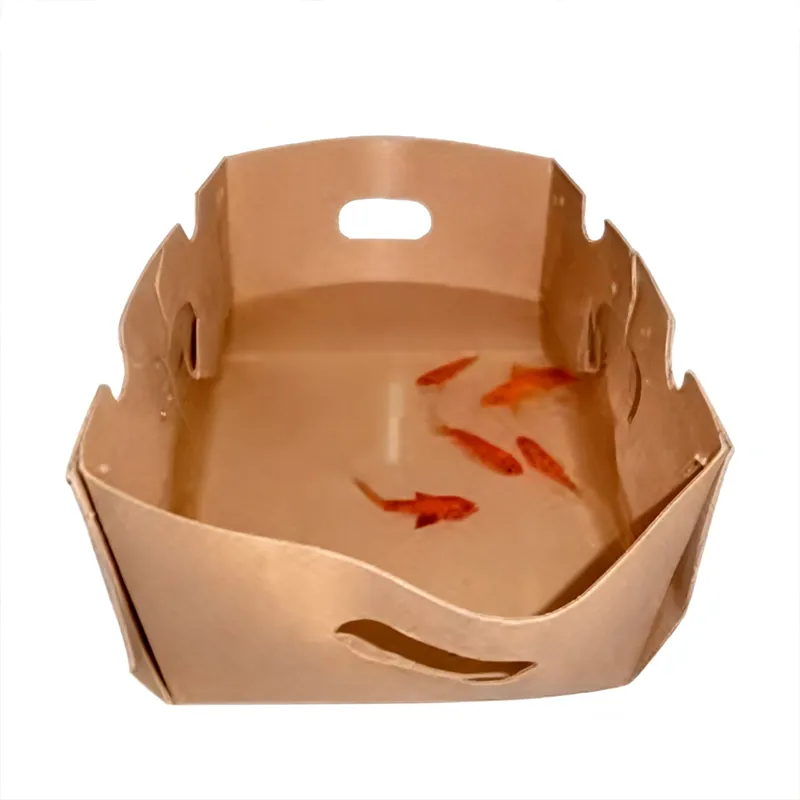
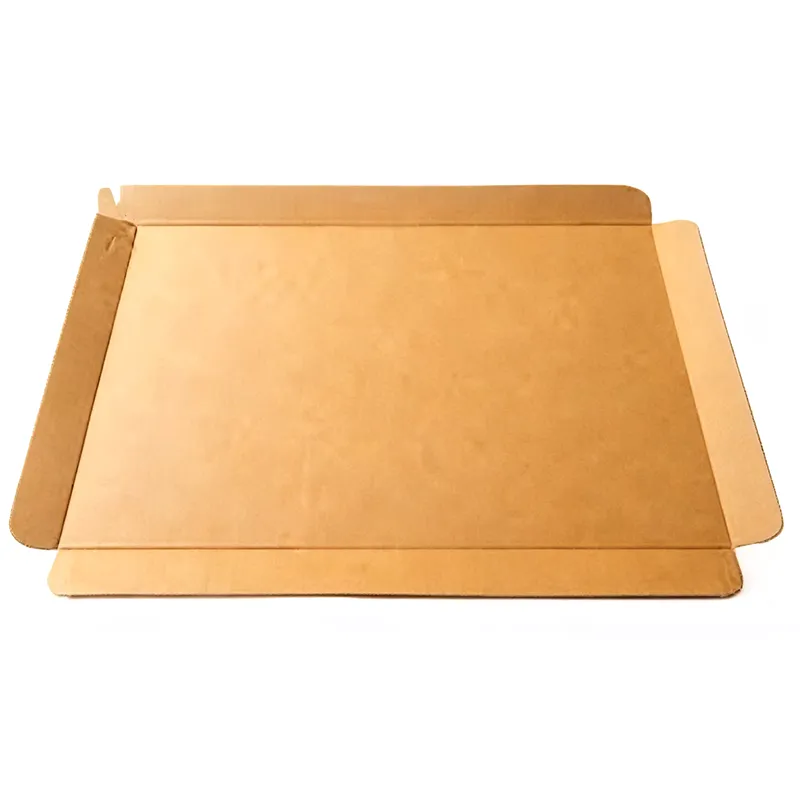
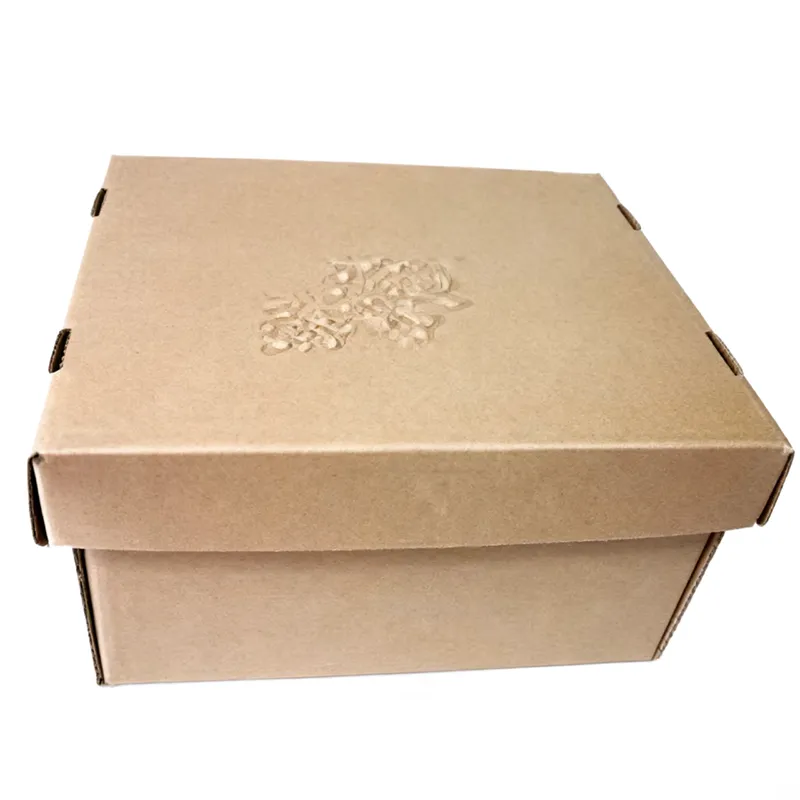
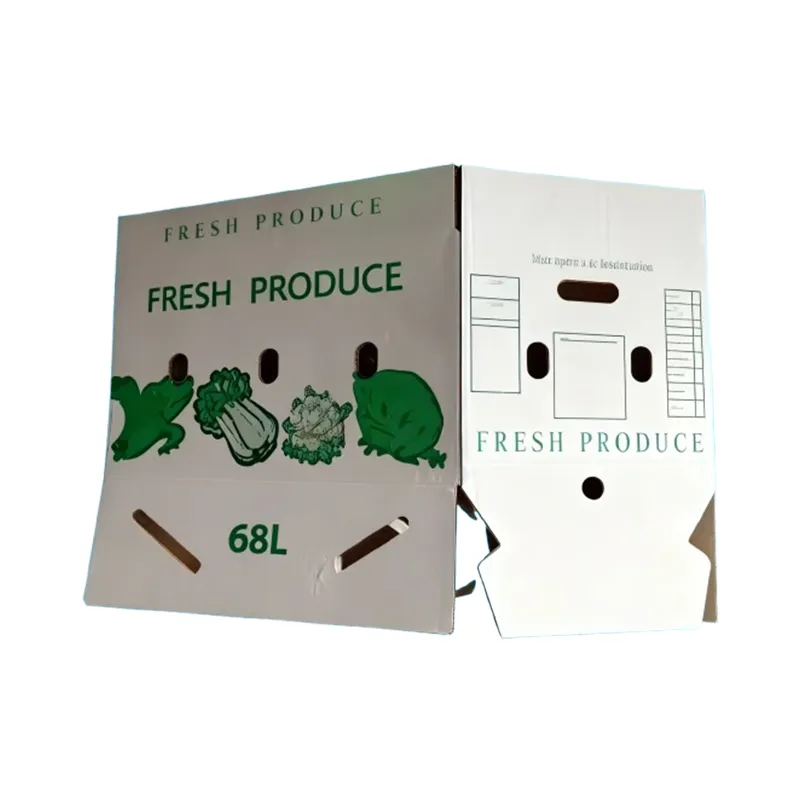
The Biodegradable Wax Paper Box has rapidly emerged as one of the most practical and environmentally responsible packaging solutions in the global market. As sustainability becomes a core concern for food brands, retailers, and consumers alike, biodegradable wax paper boxes offer a balance between performance, safety, and eco-conscious design. This comprehensive guide explores what makes this packaging solution valuable, why it matters for modern businesses, and how companies like Qingdao Yilida Packing Co., Ltd. are driving innovation in sustainable packaging.

Article Abstract
This article provides a complete overview of biodegradable wax paper boxes, including their definition, materials, environmental advantages, functional performance, industry applications, and buying considerations. It also answers common questions related to sustainability, compliance, and customization, helping businesses make informed packaging decisions while meeting global environmental standards.
Table of Contents
- Why Are Biodegradable Wax Paper Boxes Gaining Global Attention?
- What Is a Biodegradable Wax Paper Box Made Of?
- Why Do Biodegradable Wax Paper Boxes Matter for the Environment?
- How Do Biodegradable Wax Paper Boxes Perform in Real Use?
- Which Industries Benefit Most from Biodegradable Wax Paper Boxes?
- How Do Biodegradable Wax Paper Boxes Compare with Traditional Packaging?
- What Customization Options Are Available?
- Why Choose Qingdao Yilida Packing Co., Ltd. as Your Supplier?
- How Should Businesses Source the Right Biodegradable Wax Paper Box?
- Frequently Asked Questions
- References
Why Are Biodegradable Wax Paper Boxes Gaining Global Attention?
Environmental regulations, consumer awareness, and corporate sustainability goals are pushing businesses to rethink packaging materials. Traditional plastic or laminated paper packaging often ends up in landfills, where it can take decades to decompose. In contrast, biodegradable wax paper boxes are designed to break down naturally, significantly reducing environmental impact.
Governments across Europe, North America, and Asia are encouraging or mandating the use of eco-friendly packaging. This shift has made biodegradable wax paper boxes a strategic choice for brands aiming to comply with regulations while enhancing their green image.
What Is a Biodegradable Wax Paper Box Made Of?
A biodegradable wax paper box is typically manufactured using responsibly sourced paper pulp combined with a natural or plant-based wax coating. Unlike conventional polyethylene coatings, these wax layers are compostable and safe for food contact.
- FSC-certified paper or kraft paper
- Plant-based wax or natural paraffin alternatives
- Water-based, food-safe inks for printing
- Adhesives designed for biodegradability
Manufacturers such as Qingdao Yilida Packing Co., Ltd. focus on optimizing material combinations to ensure durability without compromising environmental performance.
Why Do Biodegradable Wax Paper Boxes Matter for the Environment?
The environmental value of biodegradable wax paper boxes lies in their reduced lifecycle impact. From raw material sourcing to disposal, these boxes generate fewer carbon emissions compared to plastic-based alternatives.
| Aspect | Biodegradable Wax Paper Box | Traditional Plastic Box |
|---|---|---|
| Decomposition Time | Months | Decades |
| Renewable Materials | Yes | No |
| Recyclability | High | Low |
| Carbon Footprint | Lower | Higher |
By switching to biodegradable wax paper boxes, brands can significantly reduce plastic waste while meeting sustainability benchmarks.
How Do Biodegradable Wax Paper Boxes Perform in Real Use?
Performance is a key concern for any packaging solution. Biodegradable wax paper boxes are designed to be grease-resistant, moisture-tolerant, and structurally stable, making them ideal for food packaging.
They are commonly used for:
- Takeaway meals and fast food
- Baked goods and pastries
- Frozen or chilled foods
- Retail food displays
Thanks to advanced manufacturing processes at companies like Qingdao Yilida Packing Co., Ltd., these boxes maintain integrity even under challenging conditions.
Which Industries Benefit Most from Biodegradable Wax Paper Boxes?
Several industries have already adopted biodegradable wax paper boxes as a standard packaging option:
- Food and Beverage Industry
- Quick-Service Restaurants
- Bakery and Confectionery Brands
- Organic and Health Food Retailers
- Catering and Event Services
These sectors value both the functional performance and the positive brand perception associated with eco-friendly packaging.
How Do Biodegradable Wax Paper Boxes Compare with Traditional Packaging?
When compared to plastic clamshells or aluminum containers, biodegradable wax paper boxes offer a more balanced solution in terms of cost, usability, and sustainability.
- Better brand alignment with eco-conscious consumers
- Comparable strength and heat resistance
- Improved disposal options
- Enhanced regulatory compliance
What Customization Options Are Available?
Modern consumers expect packaging to reflect brand identity. Biodegradable wax paper boxes can be customized in various ways:
- Custom sizes and shapes
- Brand logos and graphics
- Eco-labels and certification marks
- Special coatings for enhanced performance
Manufacturers like Qingdao Yilida Packing Co., Ltd. provide flexible customization services to meet diverse market needs.
Why Choose Qingdao Yilida Packing Co., Ltd. as Your Supplier?
With years of experience in sustainable packaging, Qingdao Yilida Packing Co., Ltd. combines technical expertise with strict quality control. The company focuses on innovation, compliance with international standards, and long-term partnerships.
Key advantages include:
- Advanced production facilities
- Consistent material sourcing
- Global export experience
- Dedicated customer support
How Should Businesses Source the Right Biodegradable Wax Paper Box?
When sourcing biodegradable wax paper boxes, businesses should evaluate suppliers based on certifications, material transparency, and production capacity. Requesting samples and verifying compliance documentation are essential steps in the procurement process.
Working with established manufacturers such as Qingdao Yilida Packing Co., Ltd. reduces risk and ensures long-term supply stability.
Frequently Asked Questions
Q: What makes a biodegradable wax paper box different from regular paper boxes?
A: A biodegradable wax paper box uses eco-friendly wax coatings that provide grease and moisture resistance while remaining compostable, unlike standard paper boxes that may lack protective layers or use plastic coatings.
Q: Are biodegradable wax paper boxes safe for direct food contact?
A: Yes, they are produced using food-grade materials and comply with international food safety standards when sourced from reputable manufacturers.
Q: Can biodegradable wax paper boxes be recycled or composted?
A: In most cases, they can be composted or recycled depending on local waste management systems and the type of wax used.
Q: Do biodegradable wax paper boxes cost more than plastic packaging?
A: While initial costs may be slightly higher, long-term benefits such as regulatory compliance, brand value, and waste reduction often outweigh the price difference.
Q: Can these boxes be customized with brand logos?
A: Yes, manufacturers like Qingdao Yilida Packing Co., Ltd. offer extensive customization options including printing and structural design.
References
- European Commission – Sustainable Packaging Guidelines
- FSC International – Responsible Paper Sourcing
- FDA Food Contact Materials Overview
Related News
- How Can Angle Boards Improve Protection in Modern Packaging Solutions?
- Why Are Wax Corrugated Cartons Becoming Essential for Cold Chain Packaging?
- Are Angle Boards Transforming Modern Protective Packaging Systems?
- What Is a Fully Waxed Carton and Why Does It Matter for Modern Packaging?
- What Are Recyclable Wax Corrugated Boxes?
- Why Are Angle Boards Essential for Modern Packaging?
Leave me a message