English
- English
- Español
- Português
- русский
- Français
- 日本語
- Deutsch
- tiếng Việt
- Italiano
- Nederlands
- ภาษาไทย
- Polski
- 한국어
- Svenska
- magyar
- Malay
- বাংলা ভাষার
- Dansk
- Suomi
- हिन्दी
- Pilipino
- Türkçe
- Gaeilge
- العربية
- Indonesia
- Norsk
- تمل
- český
- ελληνικά
- український
- Javanese
- فارسی
- தமிழ்
- తెలుగు
- नेपाली
- Burmese
- български
- ລາວ
- Latine
- Қазақша
- Euskal
- Azərbaycan
- Slovenský jazyk
- Македонски
- Lietuvos
- Eesti Keel
- Română
- Slovenski
- मराठी
- Srpski језик

Are Angle Boards Transforming Modern Protective Packaging Systems?
The global packaging sector continues to evolve under the influence of sustainability demands, supply chain complexity, and the rising need for structural protection in transportation. Protective reinforcement materials have become an essential part of logistics design, ensuring that goods remain stable and secure during handling, stacking, and long-distance distribution.
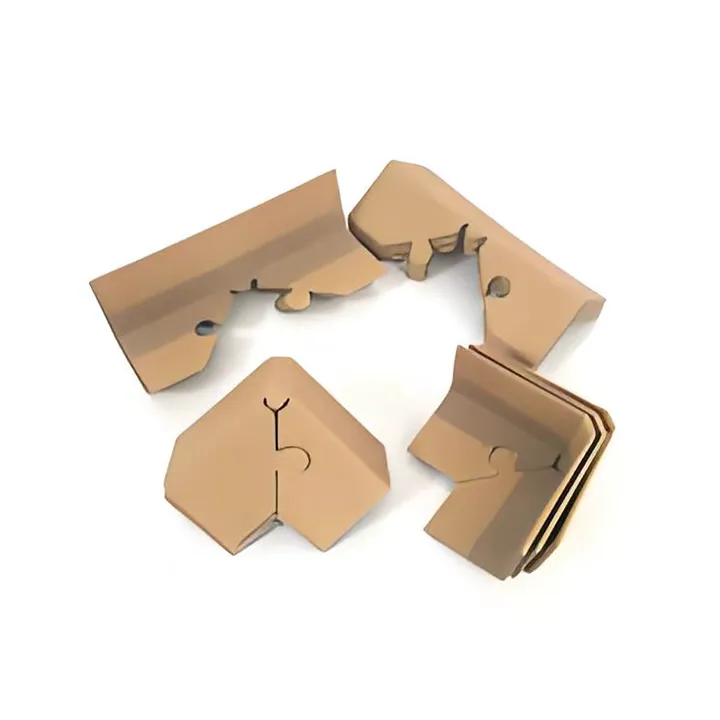
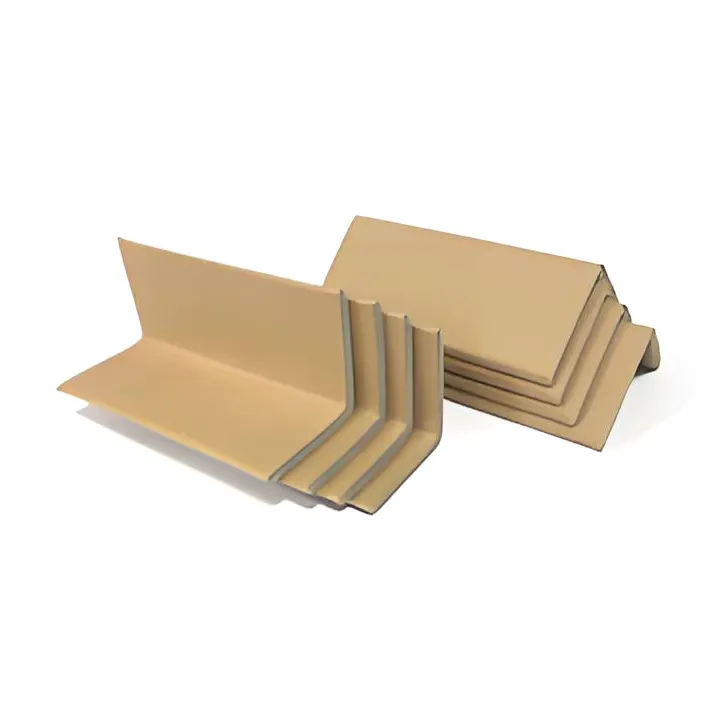
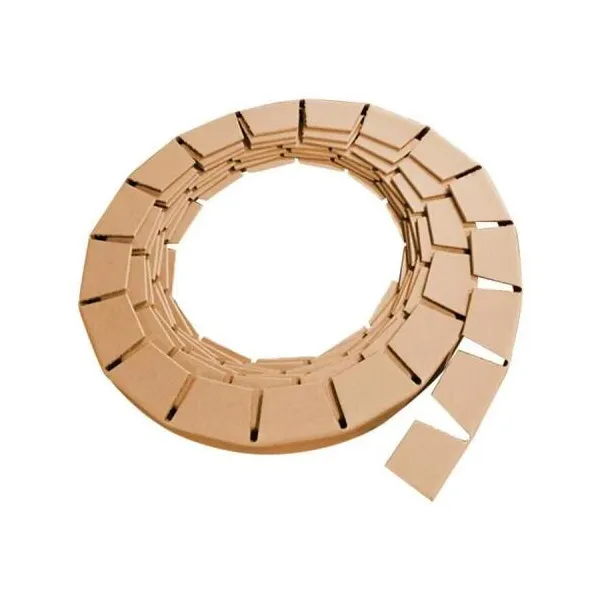
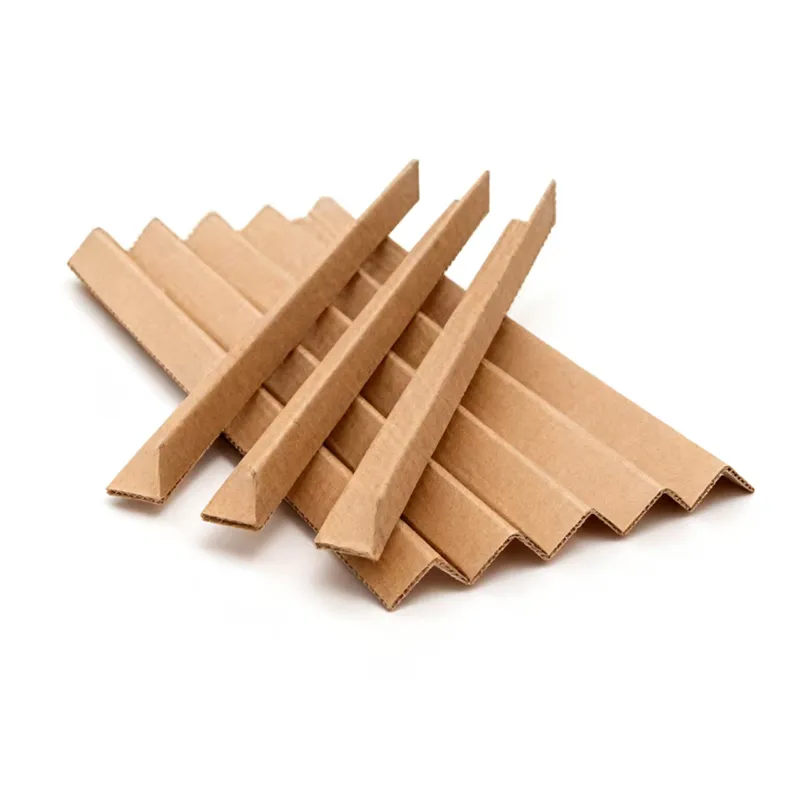
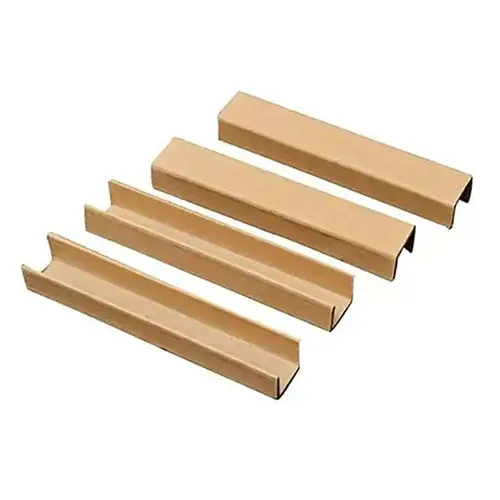
Among various reinforcement solutions, Angle Boards are widely recognized as a practical structural component used to strengthen packaging edges and improve load stability. Their function is closely connected to reducing damage risks caused by compression, vibration, and shifting during transit. As logistics systems become more automated and standardized, the demand for consistent protective materials continues to increase across multiple industries.
Modern packaging strategies no longer focus only on external wrapping but also on internal structural reinforcement. This shift has led to a greater emphasis on edge protection systems that can distribute pressure evenly and maintain product integrity under different environmental conditions. In this context, reinforcement components play a key role in ensuring operational reliability across supply chains.

Structural Engineering and Material Enhancement
Advancements in fiber-based materials and composite layering technologies have significantly improved the performance of reinforcement packaging components. These improvements allow materials to achieve better rigidity while maintaining flexibility for different application scenarios. The focus of innovation is not only on strength but also on environmental adaptability and recyclability.
Load-bearing stability is a critical factor in modern packaging design. Reinforcement structures must be able to withstand vertical pressure, lateral movement, and long-term stacking conditions. When properly applied, protective edge systems help maintain uniform pressure distribution across cartons and palletized goods, reducing deformation and improving storage efficiency.
Sustainability has also become a major driver of material development. Manufacturers are increasingly adopting eco-friendly raw materials and energy-efficient production processes. This shift supports global environmental goals while maintaining high-performance standards required in industrial packaging applications.
Application in Logistics and Transport Systems
In logistics operations, reinforcement materials are widely used to stabilize pallet loads and secure carton edges during transportation. They are especially important in environments where goods are subjected to repeated handling or long transit cycles. Proper edge reinforcement ensures that packaging structures remain intact even when exposed to external pressure or stacking forces.
Cold chain logistics and export shipping scenarios require additional structural protection due to humidity variations and temperature fluctuations. In such environments, protective reinforcement systems help maintain packaging integrity and reduce the risk of product damage. These materials are also compatible with automated wrapping and strapping systems, making them suitable for high-efficiency distribution networks.
The second mention of Angle Boards highlights their role in improving load stability and reducing edge damage during transportation. Their integration into packaging systems supports consistent performance across different handling stages, from warehouse storage to final delivery.
Functional Comparison of Protective Reinforcement Elements
| Edge Stability | Maintains structural integrity under compression and stacking pressure |
| Impact Resistance | Reduces damage caused by external force during handling |
| Environmental Adaptability | Performs reliably under humidity and temperature variations |
| System Compatibility | Works with automated wrapping and palletization systems |
Supply Chain Optimization and Packaging Efficiency
Global supply chains require packaging systems that balance protection, efficiency, and sustainability. As transportation networks expand across regions, the need for reliable structural reinforcement becomes more important. Packaging must now support longer transit distances, multiple handling points, and diverse environmental conditions.
Improved reinforcement solutions contribute to better stacking efficiency and reduced product damage rates. By stabilizing load edges and preventing deformation, they help maintain packaging consistency throughout distribution cycles. This allows logistics systems to operate more efficiently while minimizing material waste.
Automation in packaging lines has also influenced the design of reinforcement components. Standardized dimensions and consistent structural performance enable seamless integration with machine-based wrapping and sealing processes. This reduces manual intervention and improves overall operational speed.
The third reference to Angle Boards emphasizes their continued relevance in modern logistics systems, particularly in maintaining structural consistency during automated handling and long-distance transportation. Their role remains essential in ensuring packaging reliability across different industrial applications.
Sustainability and Environmental Responsibility
Environmental responsibility has become a core focus in packaging material development. The industry is shifting toward recyclable and reusable materials that reduce environmental impact while maintaining functional performance. Fiber-based reinforcement products are increasingly preferred due to their lower ecological footprint.
Production processes are also being optimized to reduce energy consumption and material waste. This includes improved bonding techniques, cleaner manufacturing systems, and enhanced raw material efficiency. These advancements contribute to a more sustainable packaging ecosystem.
Recycling compatibility is another important factor in material selection. Packaging components that can be easily processed and reused support circular economy goals and reduce landfill contributions. This trend continues to influence product development strategies across the industry.
Market Direction and Future Development Trends
The future of protective packaging is expected to be shaped by digitalization, automation, and advanced material engineering. Smart logistics systems require packaging solutions that are both structurally reliable and operationally efficient. Reinforcement materials will continue to play a key role in meeting these evolving requirements.
As global trade expands, packaging systems must adapt to increasingly complex transportation environments. This includes multi-modal shipping, cross-border logistics, and high-frequency handling processes. Structural reinforcement solutions will remain essential in ensuring product safety and packaging durability.
Innovation in material science is also expected to drive further improvements in strength-to-weight ratio, environmental performance, and production efficiency. These developments will support the long-term evolution of industrial packaging systems.
Company Strength and Industry Commitment
Qingdao Yilida Packing Co.,Ltd. has established itself as a reliable enterprise in the packaging industry through continuous development and technological improvement. With extensive experience in fiber-based packaging products, the company provides a wide range of solutions designed to meet different industrial requirements.
The company focuses on maintaining strict quality control throughout production, ensuring consistency from raw material selection to final inspection. Its manufacturing capabilities support customized packaging solutions tailored to different logistics scenarios and product characteristics.
Through long-term industry experience and a strong production foundation, Qingdao Yilida Packing Co.,Ltd. continues to support global customers with stable and efficient packaging solutions. Its commitment to innovation and quality contributes to ongoing improvements in packaging performance and supply chain reliability.
Related News
- How Can Paper Square Sleeve Improve Modern Packaging Protection?
- How Can Angle Boards Improve Protection in Modern Packaging Solutions?
- Why Are Wax Corrugated Cartons Becoming Essential for Cold Chain Packaging?
- Why Choose Biodegradable Wax Paper Box for Sustainable Packaging Solutions?
- What Is a Fully Waxed Carton and Why Does It Matter for Modern Packaging?
- What Are Recyclable Wax Corrugated Boxes?
Leave me a message